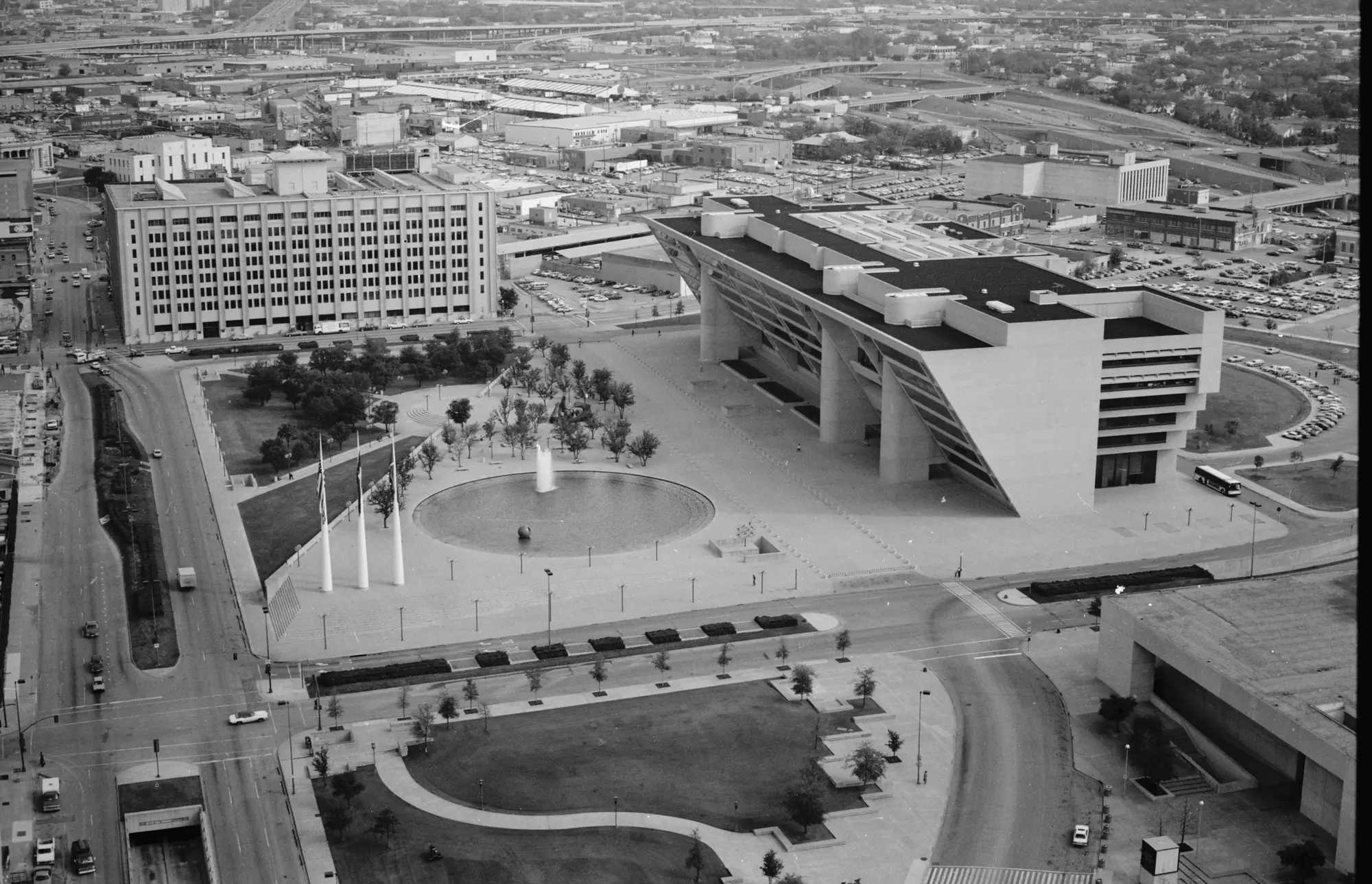
For months the public was given exactly one number: $1.1 billion to keep the building. Nobody priced the alternatives. So I did.
Every choice costs about a billion dollars. Only one of them keeps what the city already owns.
When you can be in the room
Council decisions on City Hall have already happened at meetings most people never heard about. In June the council denied phased repairs 9–6, then voted 9–5 to spend $3 million searching for somewhere else to go. The city manager is due back with relocation options in late August — into the middle of budget season.
This list has run out. Every meeting below has already happened, and the page hasn't been updated since it was last checked on August 3, 2026. Go to the city's calendar on Legistar for what's actually next.
Checked against the city's public calendar on August 3, 2026. Agendas move, meetings get cancelled, and items get deferred — confirm on Legistar before you drive down there. Where I've written “check agenda,” it means I could not confirm from the council's written rules whether the public gets to speak at that particular meeting type. I'd rather say so than guess.
Three minutes
You do not need standing, an organization, or expertise. You need to register in advance, and you get three minutes.
Two rules that surprise people. You may not refer to a council member by name while speaking — address the chair. And Dallas residents are called before non-residents.
All of the above is from the Dallas City Council Rules of Procedure, Rule 6.3, as revised August 27, 2025. Read the rule yourself — it's four pages and it's the actual authority, not my summary of it.
The ledger
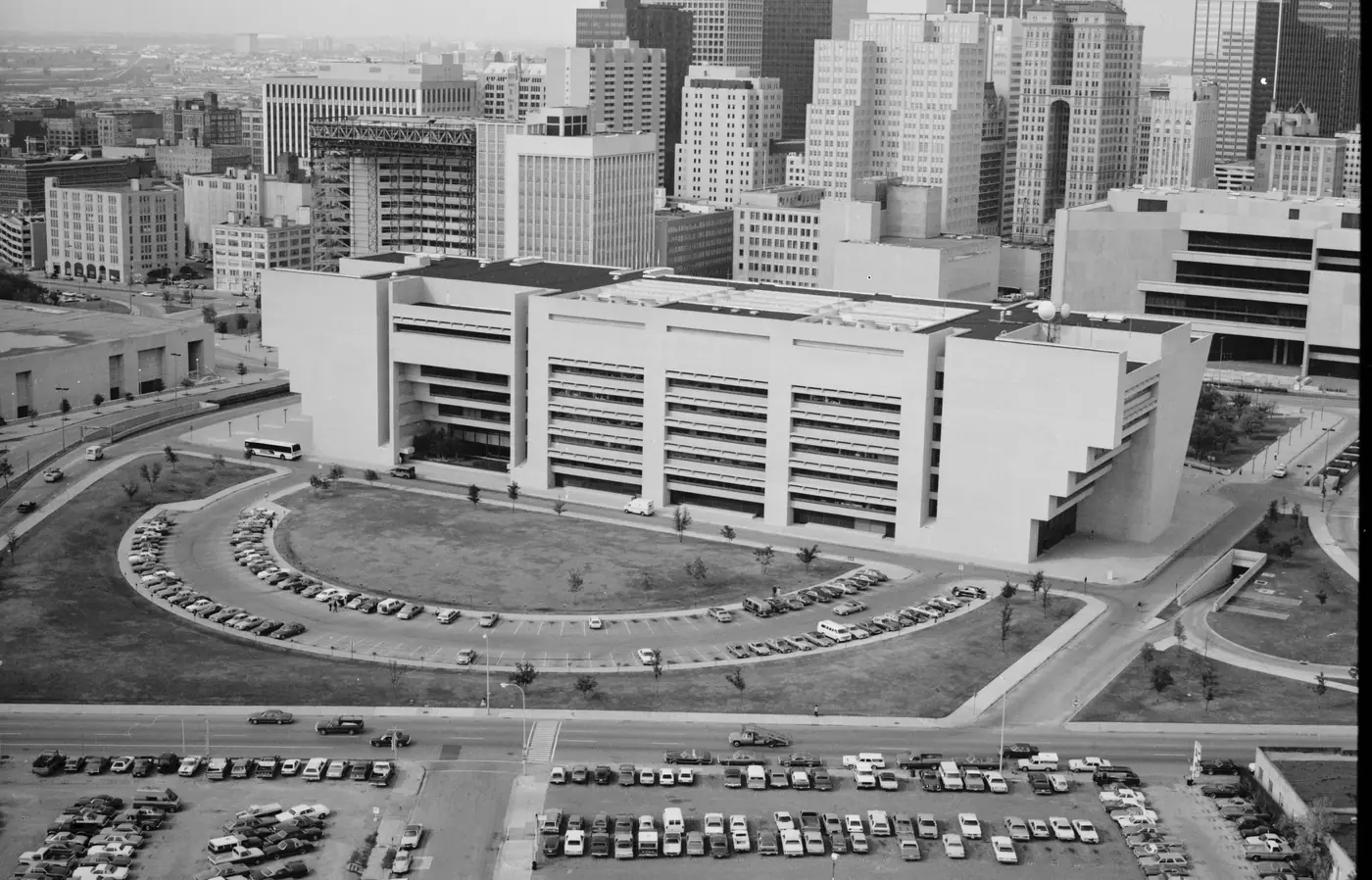
Start with the thing that keeps getting left out: the city already owns City Hall, free and clear. No mortgage. The building and the sixteen acres of downtown land underneath it.
Hold onto that, because every version of “leave” means paying to own a building when the city already owns one.
| The choice | What it costs | What the city has at the end |
|---|---|---|
| Fix it | $330M – $1.1B $330M covers what's urgently broken. $1.1B is the full twenty-year modernization with financing folded in. Both are the city's own numbers | City Hall and its 16 acres — same as today, repaired. |
| Replace it | About $1B $825M for the new building, plus demolition and a decade of rent while it's built. Takes roughly ten years. One architect's estimate | A new building. |
| Leave it | $1.2B+ About $24M a year to rent, over thirty years, and rent only goes up. My estimate | A rented building. Or, in the “lease-to-own” version, somebody else's old warehouse. |
The $1.1 billion everyone quotes is the deluxe version — two decades of upgrades and financing costs rolled into one headline. The urgent repairs, the things actually broken, run about $330 million. Both numbers are real. Saying “it costs $1.1 billion” quietly swaps the dream price in for the repair price.
The reassuring version
This is the pitch designed to make leaving feel safe, and it's the one to watch. The building they have in mind is Founders Square. Four things they don't say out loud:
Founders Square is owned by Ray Washburne — the same man who publicly argued the city should leave City Hall. He told the city to move out, then offered his own building as the place to move to. And the city already knows his prices: a couple of years ago it bought another Washburne building for $51.7 million, 86% more than he had paid for it.
City Hall holds roughly twice what fits inside Founders Square. Even after moving in, the city would still be renting offices elsewhere for everyone who doesn't fit. The “you'll finally own your building” pitch ends with the city owning half a building and renting the other half.
Founders Square was built in 1915 to store goods, not to run a city. No council chamber, no courtrooms, no emergency command center, no public service counters. The city would pay, on top of everything else, to build all of that into somebody else's old building.
At the end of it the city owns a cramped converted warehouse — and it handed over I.M. Pei's City Hall and sixteen acres of prime downtown land to get there.
So “lease-to-own” isn't the safe version of leaving. It's paying, for decades, to the man who pushed the move, in order to end up owning less than the city owns right now for free.
The city's $1.1 billion isn't precise either. It's a planning-level figure with pages of exclusions attached. This page doesn't have to beat it on precision. It has to beat it on completeness and honesty, which is a much lower bar.